Exact location
Address, cross street, direction of travel, nearest exit, or a clear landmark.
Local vehicle transport
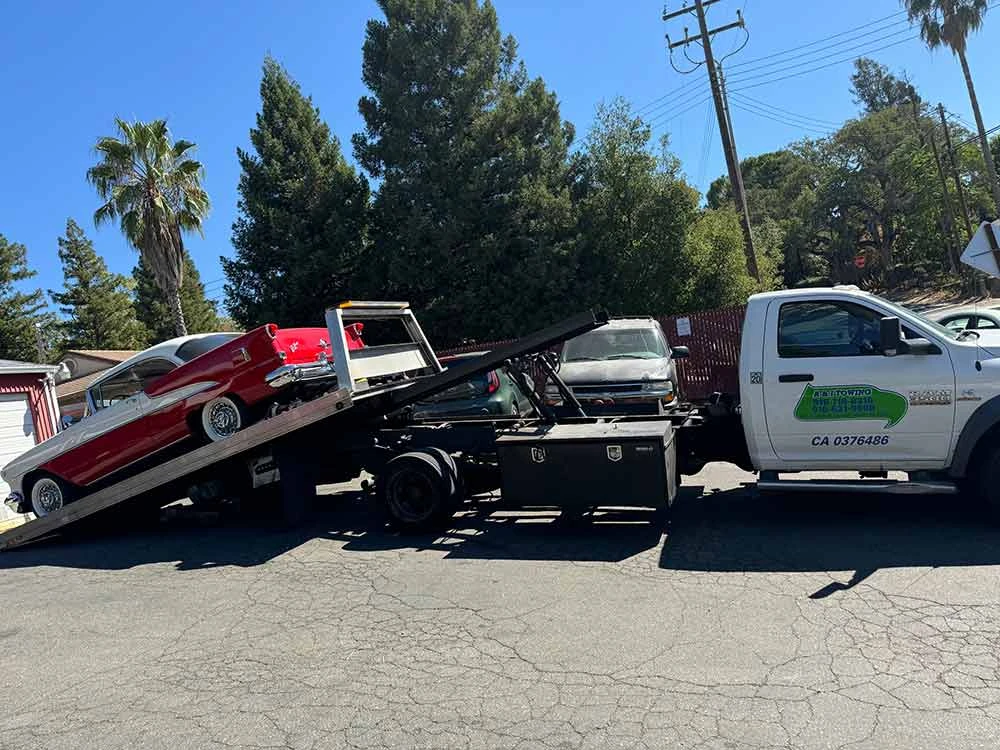
If your vehicle cannot be driven safely, start with a clear dispatch call. We will review the vehicle, location, condition, and destination.
When towing is the right next step
A tow may be appropriate when a vehicle cannot move safely, has visible damage, will not run reliably, or cannot be resolved with roadside assistance.
Share whether the vehicle starts, rolls, steers, and brakes, plus any clearance or access concerns. Dispatch will confirm availability and the appropriate approach before service is sent.
Three direct steps keep the request focused.
Give the exact location, vehicle details, condition, access, and destination.
Dispatch reviews service availability and the details that affect the towing approach.
The operator loads the vehicle and transports it to the agreed destination.
The more complete the first call is, the easier it is to choose the correct response.
Address, cross street, direction of travel, nearest exit, or a clear landmark.
Year, make, model, drivetrain, modifications, and approximate size.
Whether it starts, rolls, steers, brakes, or has visible damage.
Preferred repair shop, dealer, home, or another agreed drop-off point.
Specialty vehicles and common roadside problems have dedicated pages with the details dispatch will need.
Vehicle size and condition, exact location, access, destination, and current availability can all affect the service plan.
Share the repair shop, dealer, home, or other preferred destination when you call. Dispatch will confirm the trip details.
Tell dispatch the exact vehicle and drivetrain. The towing method must match manufacturer guidance and confirmed equipment capability.
Need help with a vehicle now?
Have your location, vehicle make and model, and the problem ready. Service is confirmed after dispatch reviews the details.
Alternate line: (916) 631-9090