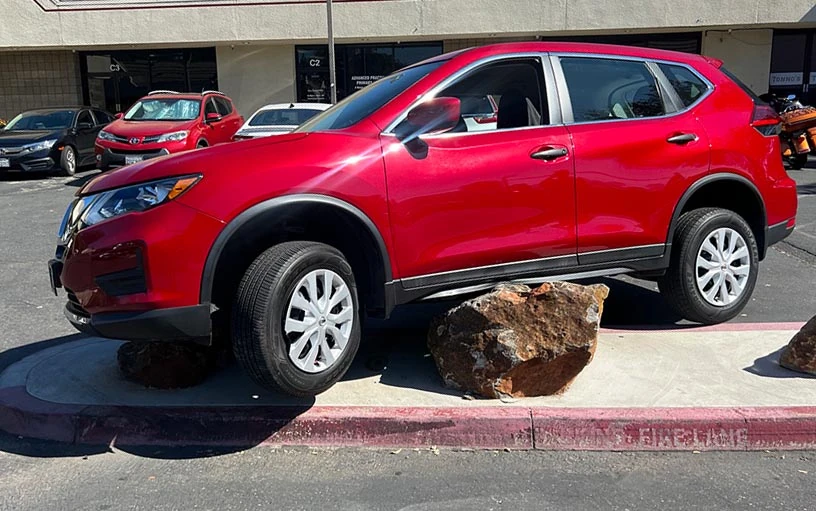
Stuck-vehicle assessment
Winch-out help for stuck vehicles
Share the surface, slope, vehicle position, and access conditions so dispatch can assess the safest next step.
Recovery starts with a clear view of the situation.
A vehicle in mud, gravel, a ditch, or another difficult position may require more than a standard roadside response. Dispatch needs accurate details before confirming equipment and availability.
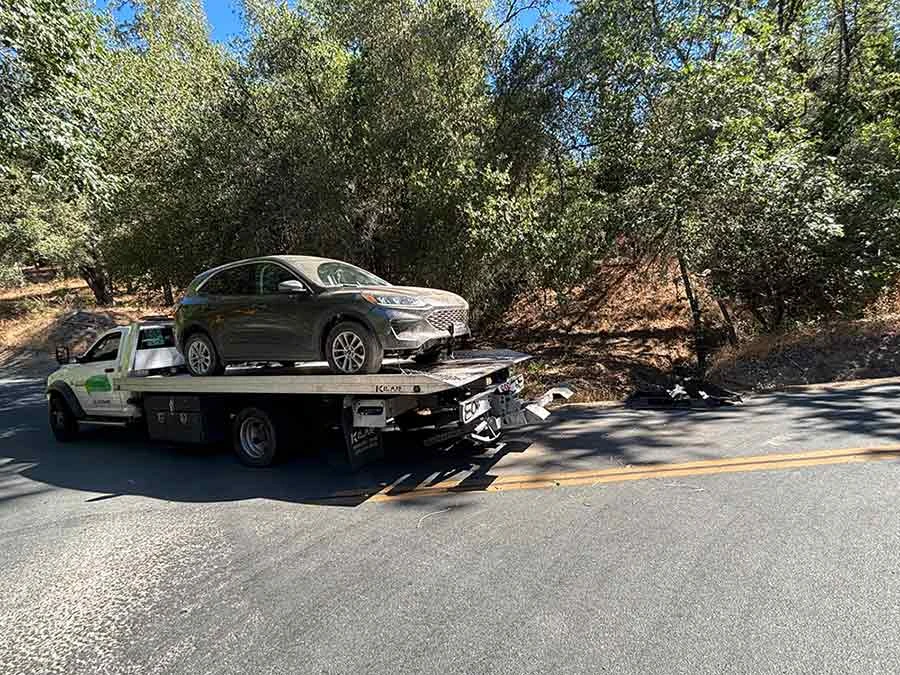
What to tell dispatch
These details help the team assess capability, access, and the appropriate response.
Exact location and a map pin when possible
Surface, slope, and current vehicle position
Whether the vehicle starts, rolls, steers, or brakes
Visible damage, blocked wheels, and access limits
How the request is assessed
The same clear sequence applies before service is confirmed.
- 1
Describe the position
Explain where the vehicle left the drivable surface and what is around it.
- 2
Assess access
Dispatch reviews the approach, slope, surface, obstacles, and available working space.
- 3
Confirm the response
The service approach is confirmed after the vehicle and access details are reviewed.
Related towing and roadside options
Review the service hubs if you are unsure which response fits the vehicle problem.
Service areas
Winch-out service questions
What information helps with a winch-out assessment?
Share photos when possible, the exact location, the surface and slope, how far the vehicle is from firm ground, and whether it still runs or rolls.
Can you help on private property?
Access and permission can affect service. Tell dispatch about gates, narrow drives, soft ground, slopes, and property restrictions.
Will the vehicle need towing afterward?
It may. Dispatch can discuss towing if the vehicle is damaged, cannot be driven safely, or cannot be resolved at the location.