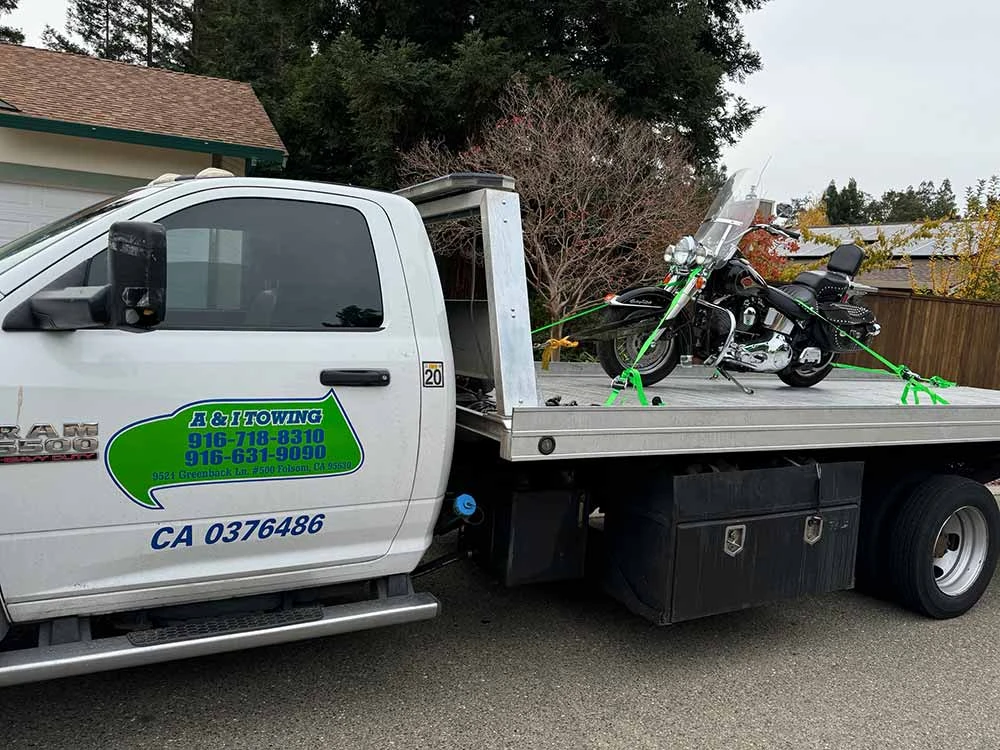
Vehicle-specific transport planning
Specialty and exotic vehicle towing
Share clearance, modifications, wheel condition, access, and destination before equipment and availability are confirmed.
Specialty vehicles require planning before dispatch.
Low clearance, modified suspension, performance wheels, disabled drivetrains, and limited loading space can change the transport plan. Photos and complete vehicle details help dispatch assess capability.
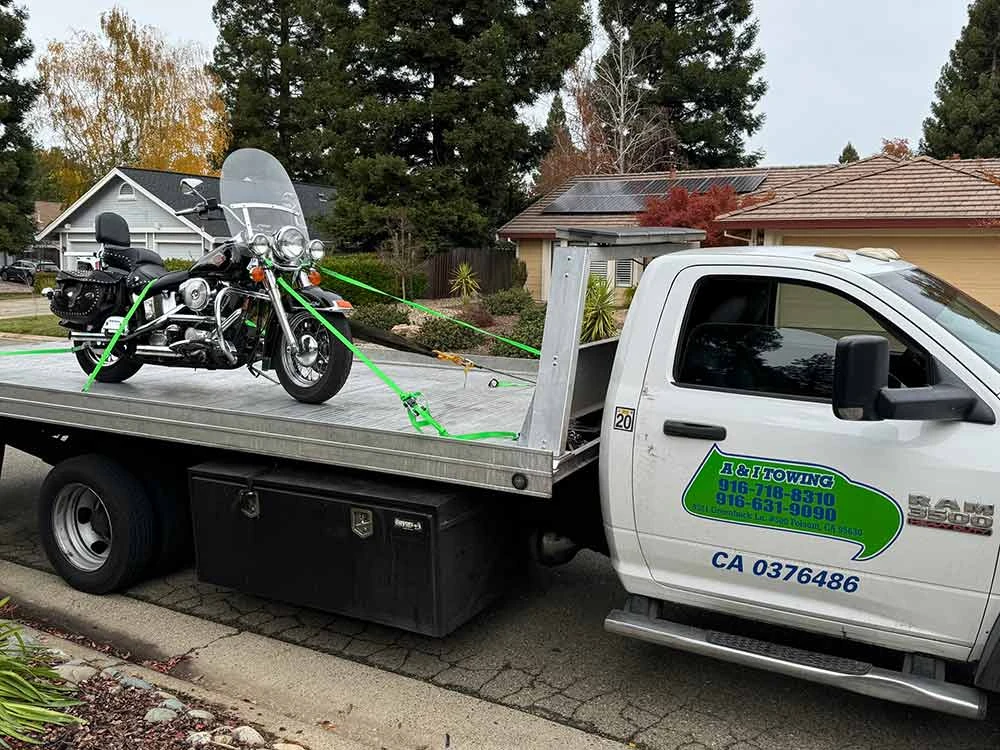
What to tell dispatch
These details help the team assess capability, access, and the appropriate response.
Year, make, model, drivetrain, and modifications
Ride height, wheel and tire condition, and visible damage
Whether the vehicle starts, rolls, steers, and brakes
Pickup access, loading space, and destination access
How the request is assessed
The same clear sequence applies before service is confirmed.
- 1
Document the vehicle
Share clear photos and the details that affect clearance, rolling, steering, and securement.
- 2
Review both locations
Pickup and destination access are assessed before the transport approach is confirmed.
- 3
Coordinate the move
Equipment, timing, and handling requirements are confirmed before dispatch.
Related towing and roadside options
Review the service hubs if you are unsure which response fits the vehicle problem.
Service areas
Specialty and exotic towing questions
What details should I send for a specialty vehicle?
Send the year, make, model, modifications, ride height, wheel condition, vehicle condition, access details, and clear photos when possible.
Can you tow a low-clearance vehicle?
Capability depends on the exact clearance, condition, approach angle, and available equipment. Dispatch must review those details first.
Can you transport a vehicle that does not roll or steer?
Tell dispatch exactly what is disabled and whether there is visible damage. The condition affects equipment and service capability.